A spring storm comes through Memphis. A tree limb hits the roof, or hail dents your gutters, or wind lifts shingles off three slopes. You're going to file an insurance claim. Now what?
The roof insurance claims process is one of those things every Memphis homeowner eventually has to navigate, and it doesn't come with an instruction manual. The order of operations matters. The contractor you pick matters. The documentation you collect matters. This guide walks through the whole process, step by step, so you know exactly what to expect.
Step 1: Document the Damage Before You Call Anyone
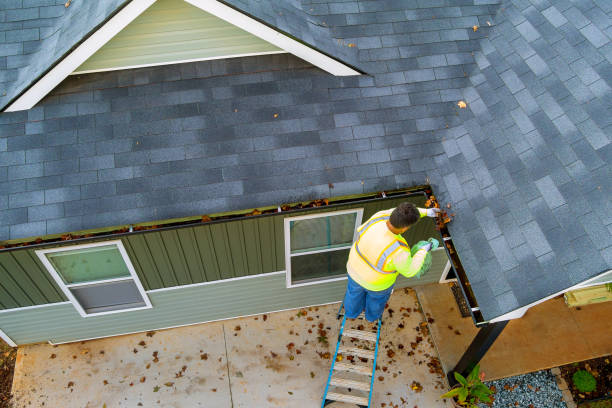
Before you pick up the phone, walk around the house with a camera. Photograph every visible issue: damaged shingles, dented gutters, debris on the roof, fallen branches, interior water staining, wet insulation. Wide shots and close-ups. Date-stamped if your phone does that automatically (most do).
Then write down the storm date and approximate time. The National Weather Service Memphis office (weather.gov/meg) logs wind speeds and hail size for specific zip codes, and that data becomes useful documentation if there's any dispute about when the damage occurred.
Step 2: Get a Professional Roof Inspection
Before you call your insurance company, get a roof inspection from a licensed local contractor. Two reasons:
- They'll identify damage you can't see from the ground. Hail bruises, lifted shingles, creased shingles, and damaged flashing often aren't visible without walking the roof.
- They'll give you a written report with photos that documents the damage scope. This becomes your reference document during the claim.
Most reputable Memphis contractors do storm damage inspections for free. ContractingPRO is one of them. Make sure the contractor leaves you with a copy of their report regardless of whether you hire them.
Step 3: Call Your Insurance Company
Now call your homeowners insurance carrier directly. Don't let any contractor file the claim on your behalf. Give the agent the storm date, basic description of the damage, your address, and your policy number. They'll open a claim and assign an adjuster who will contact you to schedule an on-site inspection.
Important: do not sign any documents from a contractor that give them authority over your insurance claim. These are called Assignment of Benefits forms, and they transfer your rights to the contractor. Reputable Memphis contractors don't ask for them.
Step 4: Schedule the Adjuster Visit With Your Contractor Present
When the adjuster schedules their inspection, ask your contractor to be present. This is standard practice for legitimate contractors and most adjusters welcome it. The contractor speaks the same technical language and can point out damage the adjuster might miss during a quick walkthrough.
Having your contractor at the inspection also reduces the risk of an adjuster missing significant damage that has to be re-inspected later. The single biggest reason for supplemental claims is damage the original adjuster didn't see.
Step 5: Review the Adjuster's Scope and Estimate
After the inspection, the adjuster will produce a written scope of work and an estimate. This document lists every item they're approving for coverage, along with the dollar amounts. Review it carefully against your contractor's assessment.
Common gaps in adjuster scopes:
- Missing ridge cap shingles when shingle replacement is approved
- Underlayment or ice and water shield not included
- Detach-and-reset costs for gutters or solar panels missing
- Code upgrade costs (ventilation, decking) not included where required by current Memphis or Shelby County code
If your contractor identifies items the adjuster missed, that's the basis for a supplemental claim. Your contractor submits the supplemental request with documentation. Most adjusters approve legitimate supplements without a fight.
Step 6: Understand Your Deductible and ACV vs. RCV
Your deductible is the amount you pay before insurance pays anything. Most Memphis homeowners policies have deductibles of $1,000 to $2,500, sometimes higher for wind/hail (often 1 to 2 percent of dwelling coverage). You pay this amount to the contractor.
Two coverage types matter:
- Actual Cash Value (ACV): pays the depreciated value of the roof. An aging roof gets a smaller payout.
- Replacement Cost Value (RCV): pays the full cost to replace with new materials, with the depreciated amount held back until the work is actually completed.
Most policies are RCV with depreciation released after work completion. That means you typically receive two checks: the first covers the ACV minus your deductible, and the second covers the depreciation amount once the project is finished and documented.
Step 7: Sign the Contract and Get the Work Done
Once the scope is approved, sign the contract with your contractor. Make sure the contract reflects the insurance scope and that the contractor's pricing matches the adjuster's approved amounts. The contractor schedules the work. Most Memphis-area roof replacements take one to three days depending on size and weather.
Pay your deductible to the contractor. Never pay your deductible in cash to a contractor who offers to waive it. Waiving the deductible is illegal insurance fraud in Tennessee, and contractors offering this are putting you in legal jeopardy.
Step 8: Document Completion and Release the Final Check
After the work is finished, your contractor provides a certificate of completion and photos of the finished installation. Submit these to your insurance company. They release the depreciation portion (the second check) once they've confirmed the work was completed to the scope.
Keep copies of everything: the contract, both insurance checks, the completion certificate, before/after photos, and the manufacturer warranty registration. If you ever sell the home, the next owner's inspector will appreciate having this paperwork ready.
Common Insurance Claim Mistakes Memphis Homeowners Make
- Filing the claim before getting a professional inspection. You can end up with an incomplete claim that's harder to fix after the fact.
- Signing with the first contractor that knocks on the door. After major storms, out-of-state crews flood Memphis neighborhoods. Verify license, insurance, and physical address before signing.
- Accepting cash from contractors to skip the deductible. This is insurance fraud and exposes you to criminal liability.
- Not having the contractor present at the adjuster visit.
- Missing damage that should have been claimed. If a contractor identifies items missed by the adjuster after the fact, supplemental claims are the fix.
How ContractingPRO Handles the Insurance Process
ContractingPRO has been handling storm damage restoration in Memphis since 2012. Our standard process includes a free inspection with a written report, on-site coordination with your insurance adjuster, supplemental claim documentation when items are missed, and full project completion paperwork submitted to your carrier.
We're an Owens Corning Platinum Preferred Contractor and James Hardie Elite Preferred, with a Better Business Bureau A+ rating and a 10-year workmanship warranty on all installations. If a storm has hit your home, you can request a free storm damage report and we'll be out as soon as conditions allow.
Frequently Asked Questions
How long do I have to file a roof insurance claim in Tennessee?
Most Tennessee homeowners policies require notification within one year of the storm event, but some policies require notice within 90 days. Check your specific policy language. Filing quickly is always in your favor because weather records, damage condition, and adjuster availability are all freshest immediately after the event.
Will my insurance rates go up if I file a roof storm damage claim?
A single weather-related claim typically does not trigger a rate increase, because storm damage is not your fault. Multiple claims in a short window, or claims that look like neglect rather than weather, are what usually trigger rate adjustments. Your agent can tell you how your specific carrier handles this.
What's the difference between ACV and RCV roof coverage?
Actual Cash Value (ACV) pays the depreciated value of your roof, so older roofs get smaller payouts. Replacement Cost Value (RCV) pays the full cost to replace the roof with new materials, typically as two payments (ACV first, depreciation released after work completion). Most modern policies are RCV. Check your policy declaration page.
Can my contractor negotiate with my insurance adjuster?
Yes. Reputable Memphis contractors regularly identify items the adjuster missed and submit supplemental claim requests with photo documentation. This is standard practice. What contractors cannot legally do in Tennessee is represent you in the claim or sign for you, unless you've explicitly granted that authority in writing.
What should I do if my insurance claim is denied?
First, ask the adjuster for the denial in writing with the specific policy language they're citing. Then get a second opinion from another contractor and consider filing for a re-inspection. If the denial is still in place after re-inspection and you believe it's wrong, consult a public adjuster or attorney. Most carrier disputes resolve through re-inspection rather than legal action.
Don't Navigate the Claim Alone
The insurance claim process works best when you have the right contractor at your side from the start. Document the damage, get a professional inspection, file the claim, and have your contractor present when the adjuster visits.
If a storm has damaged your roof, request a free inspection from ContractingPRO. We'll document the damage, meet your adjuster on-site, and coordinate the claim through to project completion.
Tags
Subscribe to ContractingPRO's Blog








Comments